
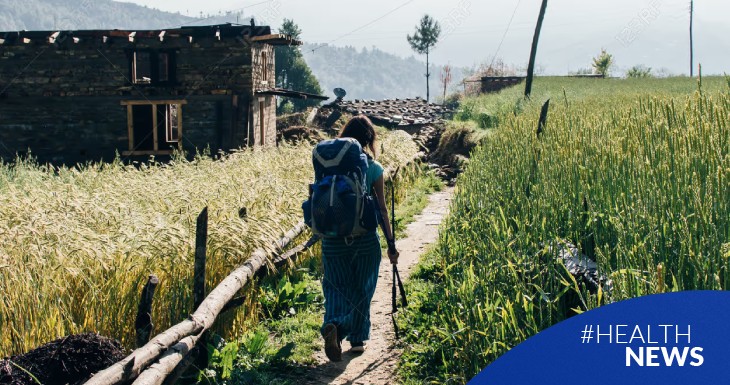
Today, a disease can follow the same route as a traveler, crossing continents in less than 24 hours. In a world where millions of people travel every day, protecting our health no longer depends solely on hospitals or laboratories—it also begins long before boarding a plane.
Every July 6, World Zoonoses Day raises awareness about diseases that can be transmitted between animals and humans, highlighting the importance of public health surveillance in an increasingly connected world.
The date commemorates the first successful administration of the rabies vaccine to a human. On July 6, 1885, French scientist Louis Pasteur vaccinated Joseph Meister, a nine-year-old boy who had been bitten by a rabid dog. The treatment prevented him from developing the disease and marked a turning point in the prevention of zoonotic diseases, paving the way for vaccines and disease control strategies that remain essential to public health today.
A Global Challenge That Knows No Borders
Zoonoses are infectious diseases caused by viruses, bacteria, parasites, or fungi that are naturally transmitted between animals and humans. Some of the best-known examples include rabies, hantavirus, leptospirosis, avian influenza, and certain coronaviruses.
According to the World Health Organization (WHO), approximately 60% of all known infectious diseases affecting humans originate in animals, while around 75% of emerging infectious diseases are zoonotic. Together, these diseases are responsible for more than 700,000 deaths worldwide each year.
These figures underscore the importance of strengthening epidemiological surveillance and promoting coordinated prevention efforts that integrate human health, animal health, and environmental protection.
It's Not Just About Wildlife
When people think about zoonotic diseases, they often picture exotic animals. In reality, some of these infections are associated with species we encounter in everyday life or while traveling.
Wild rodents can transmit hantavirus; parrots and other birds may spread psittacosis; cats can carry toxoplasmosis or cat scratch disease; and in countries where rabies is still present, dogs remain one of the primary sources of human infection. Other animals, such as bats, serve as natural reservoirs for a variety of viruses, while insects like mosquitoes act as vectors for diseases including dengue, Zika, and chikungunya.
Other lesser-known disease vectors include:
| Vector | Disease caused | Type of pathogen |
|---|---|---|
| Mosquito (Aedes) | Chikungunya | Virus |
| Dengue | Virus | |
| Lymphatic filariasis | Parasite | |
| Rift Valley fever | Virus | |
| Yellow Fever | Virus | |
| Zika | Virus | |
| Mosquito (Anopheles) | Lymphatic filariasis | |
| Malaria | Parasite | |
| O'nyong'nyong virus | Virus | |
| Mosquito (Culex) | Japanese encephalitis | Virus |
| Lymphatic filariasis | Parasite | |
| West Nile fever | Virus | |
| Aquatic snails | Schistosomiasis (bilharziasis) | Parasite |
| Culicoides flies | Oropouche fever | Virus |
| Blackflies | Onchocerciasis (river blindness) | Parasite |
| Fleas | Plague (rats → humans) | Bacteria |
| Tungiasis | Ectoparasite | |
| Lice | Typhus | Bacteria |
| Louse-borne relapsing fever | Bacteria | |
| Sandflies | Leishmaniasis | Parasite |
| Sandfly fever (phlebotomus fever) | Virus | |
| Ticks | Crimean-Congo haemorrhagic fever | Virus |
| Lyme disease | Bacteria | |
| Relapsing fever (borreliosis) | Bacteria | |
| Rickettsial diseases (spotted fever, Q fever) | Bacteria | |
| Tick-borne encephalitis | Virus | |
| Tularaemia | Bacteria | |
| Triatome bugs | Chagas disease (American trypanosomiasis) | Parasite |
| Tsetse flies | Sleeping sickness (African trypanosomiasis) | Parasite |
Most of these risks can be significantly reduced through simple preventive measures: avoiding contact with wild animals, never feeding wildlife during excursions, respecting regulations in national parks and protected areas, protecting yourself against insect bites, and checking destination-specific health recommendations before traveling.
Combined with proper trip planning, these precautions help minimize health risks and allow travelers to enjoy their journey with greater peace of mind.
Travel, Tourism, and Prevention
The continued growth of international tourism and increasing interaction with diverse ecosystems make pre-travel health information more important than ever.
Travelers visiting rainforests, mountain regions, nature reserves, rural accommodations, or protected areas may have greater exposure to insects, rodents, or other animals that can act as disease reservoirs. This does not mean that travel itself is inherently dangerous, but rather that understanding destination-specific health recommendations allows people to travel more safely and confidently.
International mobility also enables diseases to be identified and monitored more rapidly through surveillance systems established by public health authorities around the world.
A recent example involved the epidemiological investigation launched after a passenger aboard a cruise ship that had traveled through Patagonia was diagnosed with hantavirus. Health authorities conducted contact tracing and coordinated efforts across multiple countries to assess potential risks and implement the appropriate public health protocols.
One Health: An Integrated Approach
Preventing zoonotic diseases requires a comprehensive understanding of the close relationship between people, animals, and the environment.
This concept, known as One Health, promotes collaboration among professionals from multiple disciplines to identify risks early and respond more effectively to potential outbreaks.
Climate change, urbanization, and environmental changes also play an important role by creating conditions that favor the spread of certain disease vectors. One example is Aedes aegypti, the mosquito responsible for transmitting dengue fever, whose geographic distribution has expanded in recent years into areas where it was previously uncommon.
Prevention Begins Before You Travel
Planning a trip involves much more than booking flights and accommodations. Learning about the health conditions at your destination, checking whether any vaccinations or preventive measures are recommended, purchasing comprehensive travel assistance, and following official public health guidance are all essential steps toward safer travel.
Having travel assistance provides quick access to medical advice and healthcare in the event of illness or an emergency while abroad. It also offers valuable support in destinations where healthcare systems, language barriers, or medical costs may present additional challenges.
In an increasingly connected world, prevention travels with us.
Being well informed not only helps protect your own health but also contributes to reducing the spread of infectious diseases and strengthening collective public health. Because every successful journey begins long before departure—it starts with informed, responsible decisions that allow us to explore the world with greater confidence and peace of mind.
FUENTE: www.who.int