
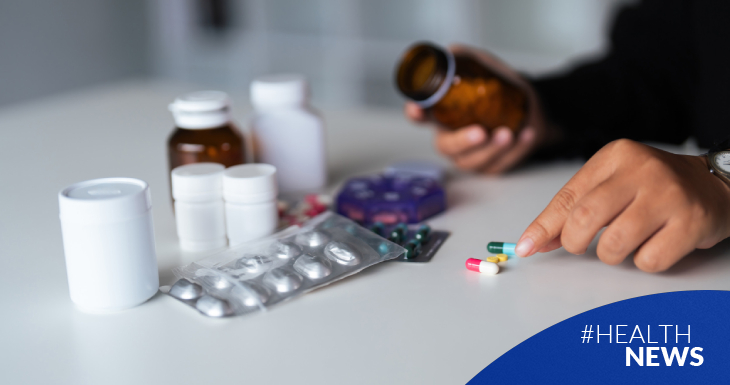
In everyday clinical practice, phrases like “just take an antibiotic and you’ll be fine” or “I have one left over from last time, I’ll use it now” are still commonly heard.
However, antibiotics are neither harmless nor meant for casual use: inappropriate administration is one of the main drivers of antimicrobial resistance (AMR), which the World Health Organization (WHO) considers one of the greatest threats to global health.
AMR is defined as the ability of microorganisms—primarily bacteria—to survive and multiply despite exposure to antimicrobial agents that were previously effective. This phenomenon compromises therapeutic efficacy, increases morbidity and mortality, and puts high-complexity medical procedures at risk, including surgeries, transplants, and cancer treatments.
Currently, resistance affects diseases that were historically treatable with conventional antibiotic regimens. Among the most relevant are:
| Disease | Resistance |
|---|---|
| Community-acquired pneumonia | Increasing resistance to penicillins and macrolides |
| Multidrug-resistant tuberculosis (MDR-TB) | Strains resistant to isoniazid and rifampicin |
| Gonorrhea | Resistance to third-generation cephalosporins and fluoroquinolones |
| Salmonellosis | Resistance to fluoroquinolones and cephalosporins |
| Hospital-associated urinary and skin infections (E. coli and S. aureus) | Strains resistant to multiple antibiotics |
These infections, once manageable, now require longer therapies, complex drug combinations, and, in many cases, the use of last-line antibiotics such as carbapenems or colistin, which increases costs and the risk of toxicity.
Epidemiological Impact
A study published in The Lancet by Oxford University reported that annual deaths attributable to antimicrobial resistance (AMR) increased by 8% between 1990 and 2021. It is projected that, if this trend continues, the figures could climb from 1.14 million deaths in 2021 to 1.91 million in 2050, representing an increase of nearly 70%.
The regions with the highest mortality burden are West Sub-Saharan Africa, Tropical Latin America, North America, Southeast Asia, and South Asia, reflecting inequalities in access to diagnosis, prescription control, and surveillance programs.
According to the Mayo Clinic, taking antibiotics without medical supervision exposes you to risks such as:
- Reduced effectiveness when used for unnecessary conditions.
- Poisoning and harmful side effects.
- Development of antibiotic resistance, as uncontrolled use can allow microorganisms to become stronger.
- A medication taken incorrectly can mask key symptoms for diagnosing illnesses.
Factors that perpetuate self-medication:
The indiscriminate use of antibiotics stems from multiple factors:
- The historical perception of "miracle drugs" since the introduction of penicillin in the 20th century.
- Access without a medical prescription in many countries, and the storage of leftover medications at home.
- Digital self-diagnosis using unverified information found online.
- Informal advice from family members or acquaintances who recommend antibiotics based on past experiences.
Antimicrobial resistance is a silent crisis that threatens to reverse decades of medical progress. Every time self-medication is used, an essential therapeutic tool is weakened. The joint commitment of healthcare professionals, institutions, and the public is indispensable to preserving the effectiveness of antibiotics and ensuring their availability for future generations.