
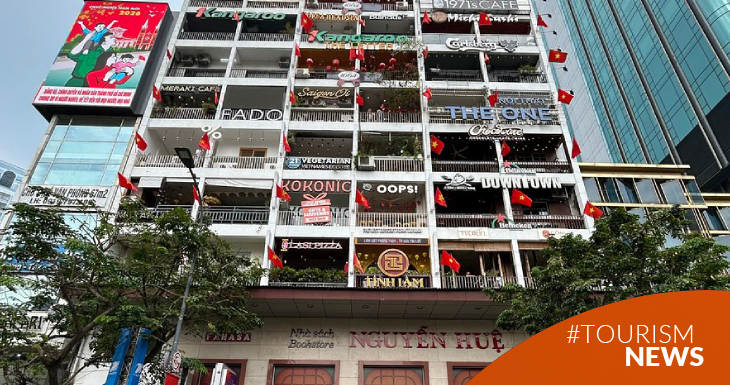
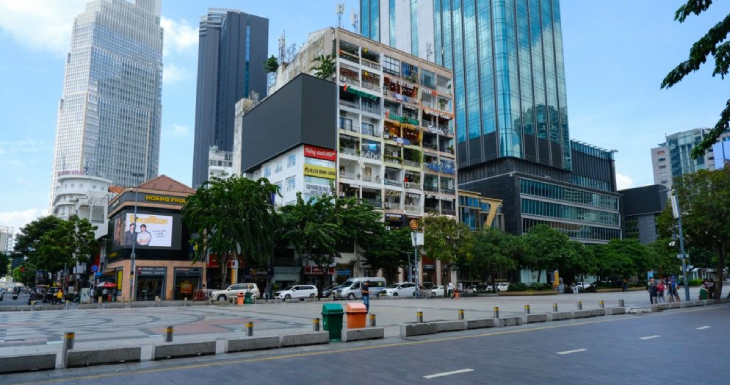
Right in the heart of Ho Chi Minh City—formerly Saigon—on Nguyen Hue pedestrian street, stands one of the city’s most distinctive urban spaces: the well-known “The Café Apartment,” located at number 42 on that avenue.
The building was constructed in the 1960s and for years functioned as a residential complex, housing officials and local families. Like many properties in the area, it went through different stages of the city’s urban development, including the post-war period, when its residential use remained largely unchanged.
With Vietnam’s economic growth in recent decades and the transformation of the downtown area, the building began to change progressively. What were once private apartments started to be occupied by small ventures, mainly cafés, creative studios, and independent shops.
From homes to micro-businesses
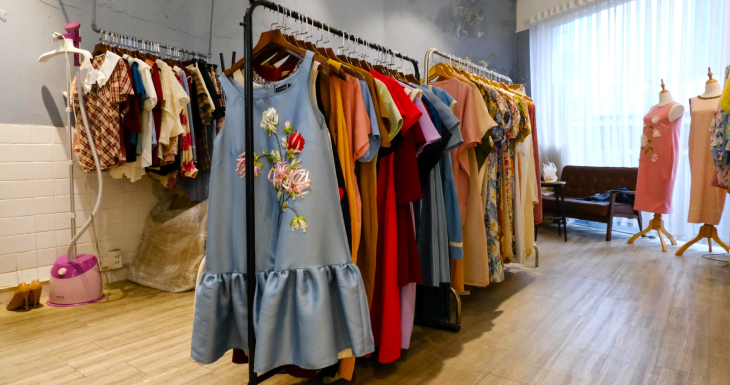
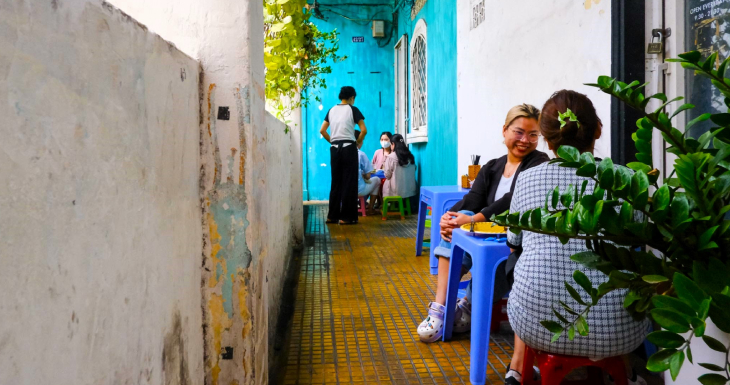
Today, the building hosts dozens of spaces spread across nine floors, where each unit operates independently. Specialty coffee shops, boutiques, design studios, and workspaces coexist in the same place, without centralized planning.
This model does not follow a traditional real estate development but rather an organic transformation driven by local entrepreneurs, largely young people, who found in these apartments an accessible opportunity to launch their own projects.
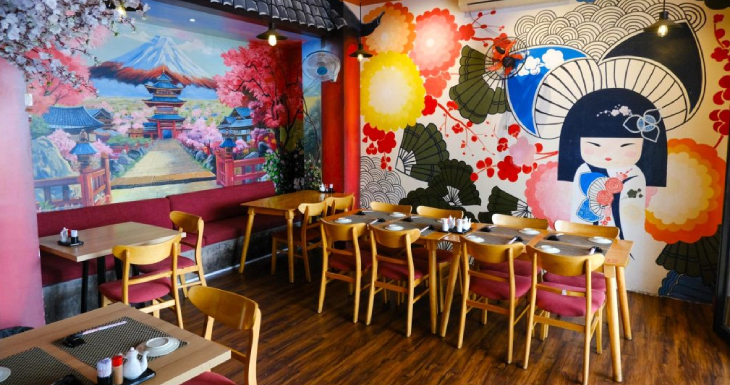
The result is a diverse ecosystem, where each space has its own identity and caters to different audiences. From minimalist cafés to more conceptual or themed proposals, the building functions as a concentration of micro-businesses within a single structure.
A reflection of the city’s urban culture
The phenomenon cannot be understood without the context of Vietnam, where coffee plays a central role in daily life. Vietnamese coffee is not just a beverage but a widespread social practice, deeply embedded in urban spaces.
In this sense, The Café Apartment is not only an architectural curiosity but also an expression of that culture. The reuse of existing spaces, the coexistence of old and new, and the proliferation of independent initiatives reflect dynamics typical of cities undergoing rapid transformation.
Moreover, the building spent years in an ambiguous regulatory situation and even faced risks of eviction or conversion, reinforcing its character as a phenomenon born more from social dynamics than from planning.
From the visitor’s perspective, this implies a non-linear experience: walking through the different floors reveals how a single architectural space can host completely different uses.
Access, operation, and visitor experience
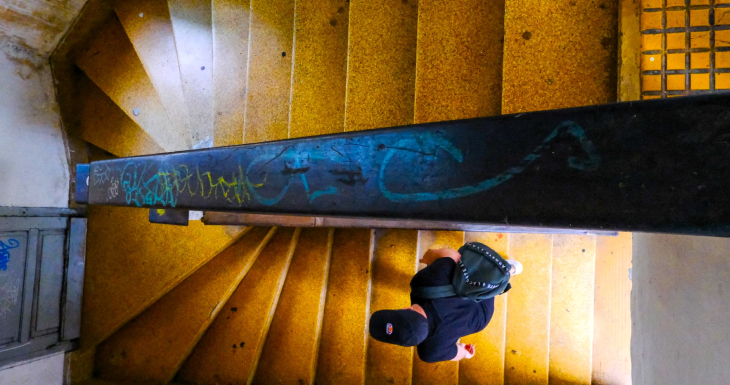
Access to the building is via stairs or a paid elevator, a peculiarity that is part of its daily functioning. Each business defines its own concept, schedule, and aesthetic, without a uniform logic.
A case of urban reconversion
Beyond its appeal, The Café Apartment is a concrete example of repurposing existing buildings in changing urban contexts. Far from being a project planned from the outset, its development responds to economic, cultural, and social processes that redefined the use of space.
In a city marked by growth and modernization, this building preserves part of its original structure but adapts to new dynamics. That combination is, to a large extent, what explains its current relevance.