For years, travel was synonymous with beaches, mountains, or iconic cities. But something is changing. More and more people are looking for experiences that are not only lived, but also understood.
That’s where a growing trend comes in quietly yet powerfully: scientific tourism.
When Curiosity Packs the Suitcase
Scientific tourism offers something different: replacing “what to see” with “what to discover.”
It’s not just about taking photos, but about being in places where things happen that we normally only encounter through documentaries or scientific research.
It’s a more conscious way of traveling, where the experience goes beyond the postcard and becomes part of what you learn and understand while you're there.
CERN: Where Scientists Study the Origins of the Universe
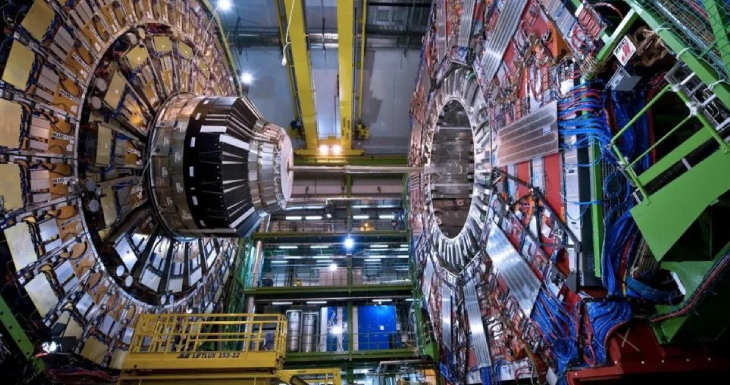
Near the French border in Switzerland lies CERN, the world-renowned research center where scientists study particles, energy, and the origins of matter. The facility offers interactive exhibitions and guided tours designed to help visitors understand some of the most complex scientific investigations on Earth.
It is also home to the Large Hadron Collider (LHC), the world's largest particle accelerator, located more than 100 meters underground. Because at CERN, you’re not just visiting a building—you’re connecting with some of humanity’s biggest questions.
Where Space Feels a Little Closer
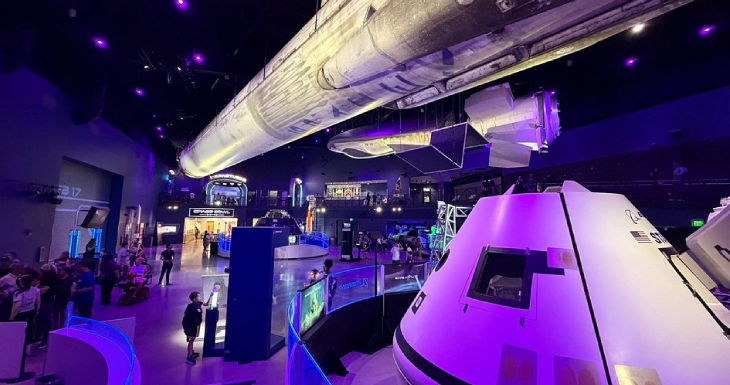
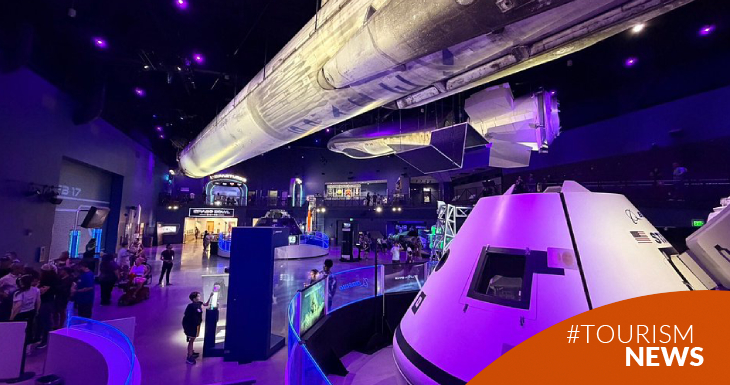
In the United States, NASA’s Kennedy Space Center offers visitors a firsthand look at space exploration.
Surrounded by real rockets, immersive simulators, and interactive exhibits, guests can discover how space missions operate and learn about the technologies used to explore other planets.
It’s an experience that blends science, technology, and a constant sense of wonder.
Galápagos: Where Nature Explains Evolution
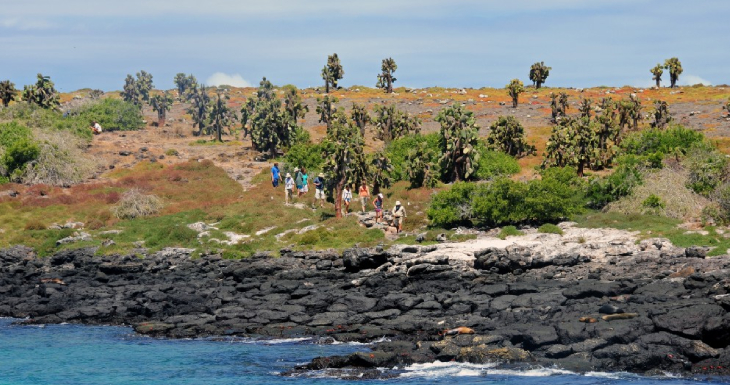
In Ecuador’s Galápagos Islands, science is present in every landscape.
It was here that Charles Darwin developed many of the observations that would eventually lead to the theory of evolution.
Visitors can encounter unique species, learn how they evolved in isolation, and understand why these islands play such a vital role in global biodiversity.
Exploring the Ocean Through Science
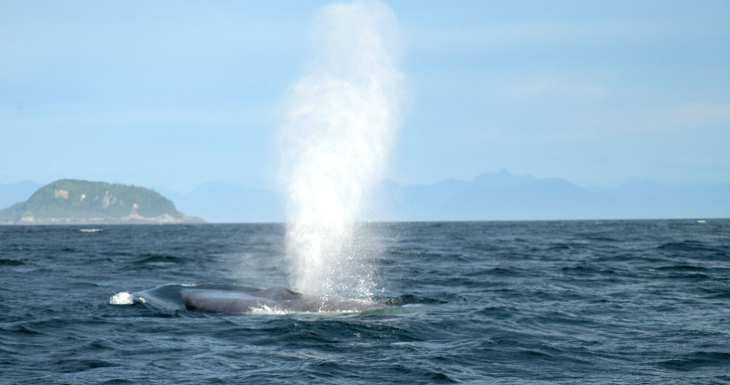
In countries such as Chile and Australia, marine research stations combine tourism with marine biology and environmental conservation.
Visitors can join guided activities, learn how ocean ecosystems are studied, and discover the impact of climate change on marine life.
It’s a different way of connecting with the ocean—not simply admiring it, but understanding what happens beneath the surface.
Where the Sky Becomes More Than a Landscape
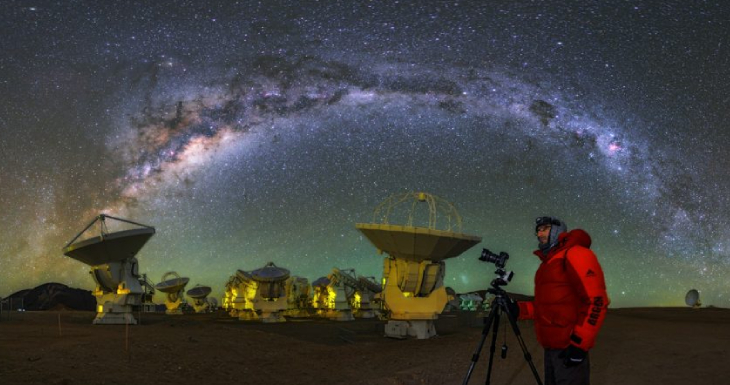
Thanks to exceptionally clear skies and low light pollution, destinations such as the Atacama Desert in Chile and Spain’s Canary Islands offer some of the world’s finest astronomical experiences.
Many observatories organize nighttime programs where visitors can use professional telescopes and learn about planets, galaxies, and constellations. Beyond the science, however, there is something difficult to describe: the feeling of looking up at a sky that seems endless.
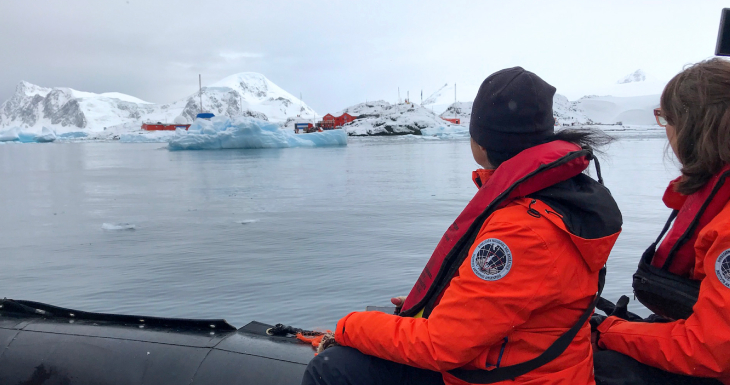
Antarctica: The Planet’s Natural Laboratory
And then there is the journey that is not for everyone: Antarctica.
In one of the most extreme environments on Earth, scientists study climate change, glaciers, and biodiversity under unique conditions. Some expedition programs allow visitors to explore research stations and gain insight into how scientists monitor environmental changes that affect the entire planet. It is an intense, silent, and deeply transformative experience.
Planning Your Scientific Journey
Depending on the destination, visits can be arranged through official websites or through agencies and tour operators specializing in scientific tourism.
| Destination | Booking Method R |
|---|---|
| CERN | Reservations must be made months in advance through the official CERN website. |
| Kennedy Space Center | Travel agencies and local tour operators in Orlando. |
| Galápagos Islands | Specialized ecotourism agencies and naturalist guides. |
| Marine Stations (Chile/Australia) | Travel agencies and local universities offering scientific tours. |
| Atacama / Canary Islands | Specialized astronomy tour operators. |
| Antarctica | Expedition cruises departing from Ushuaia, Argentina . |
Traveling with a Different Perspective
Perhaps a new type of traveler is emerging: one who wants not only to visit places, but also to understand them. Because when you understand what you're seeing, the journey becomes deeper. More meaningful. More memorable.
Maybe the next great luxury in travel won’t simply be relaxation—it will be returning home with a new way of looking at the world.