
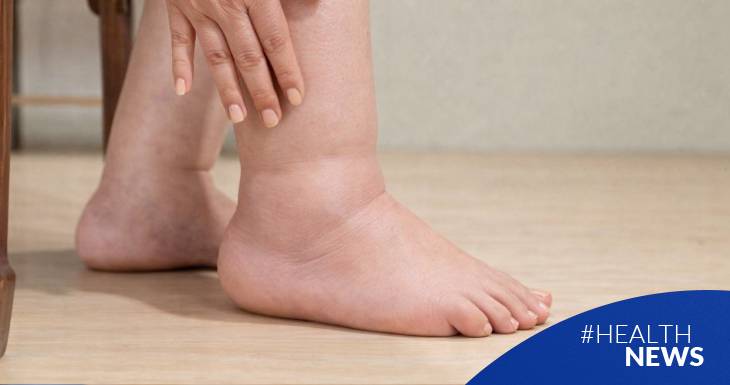
Lymphedema is a chronic condition that is not very visible, yet deeply disabling. It affects millions of people worldwide and, nevertheless, continues to be confused, underestimated, and diagnosed late.
- It is not fluid retention.
- It is not a cosmetic issue.
- It is not just swelling.
A disease that is misunderstood and postponed
Lymphedema appears when the lymphatic system stops functioning properly. It can develop after oncologic surgeries, treatments such as radiotherapy, infections, trauma, or due to congenital alterations of the lymphatic system itself. In most cases, it is an acquired condition, although less frequent hereditary forms also exist, linked to abnormal development of the lymphatic system from early stages of life.
In many regions of the world, it is also associated with parasitic infections that block the lymph nodes.
For years, lymphedema was an underdiagnosed pathology, not due to a lack of patients, but due to a lack of visibility. Many people live with the disease without knowing it, confusing the symptoms with common edema, circulatory problems, overweight, or temporary inflammatory processes.
The most appropriate professional for diagnosis is usually a phlebologist, a vascular pathology specialist, or a vascular surgeon, since lymphedema involves the lymphatic system. In some cases, oncologists (especially when it is secondary to cancer treatments) and specialists in physical medicine and rehabilitation may also diagnose the condition.
Diagnosis is primarily clinical, but it is often complemented with studies such as Doppler ultrasound (to rule out venous pathology such as thrombosis), lymphoscintigraphy (a specific study of the lymphatic system), magnetic resonance imaging and/or computed tomography.
The result is often the same: delayed diagnosis and preventable progression.
There is no single, precise global registry of the number of people with lymphedema due to underdiagnosis, the lack of unified registration systems, and variability in clinical criteria between countries. However, the most widely accepted international estimates indicate that between 140 and 250 million people worldwide live with some type of lymphedema.
Who is most affected?
Lymphedema can occur in anyone, but epidemiological studies show clear trends:
- More than 90% of cases correspond to secondary lymphedema, meaning acquired throughout life as a consequence of surgery, radiotherapy, infections, trauma, or disease.
- Primary or hereditary forms are uncommon and usually manifest in childhood, adolescence, or early adulthood, associated with congenital abnormalities of the lymphatic system.
- The disease is more frequent in women than in men. Several studies show a prevalence 2 to 3 times higher in women, mainly due to greater exposure to high-risk cancer treatments, such as breast cancer surgeries involving lymph node removal.
- Prevalence increases with age, especially from middle adulthood onward, although it can appear at any stage of life.
These differences do not mean that men do not develop lymphedema, but rather that risk factors, associated cancers, and treatments affecting the lymphatic system are more concentrated in certain population groups.
More than swelling
Lymphedema does not manifest only as an increase in volume of a limb. It presents with:
Skin changes:
Initial phase
- Tight, shiny skin
- Sensation of tension
- Soft edema (indentation remains when pressed)
Intermediate stage
- Protein-rich fluid causes chronic inflammation
- Persistent inflammatory response is triggered
- Fibrosis begins (hardening of tissue)
Advanced stage
- Skin thickening
- Hyperkeratosis (rougher skin)
- Deep folds
- “Cobblestone” appearance in severe cases
- Changes in skin color
- Lymphorrhea (leakage of lymphatic fluid through the skin)
The key issue is that the accumulated fluid is not simply “water”: it contains proteins that stimulate inflammation and progressive tissue hardening.
Loss of mobility: how does it happen? Movement limitation occurs through several mechanisms:
- Increased limb volume → greater weight
- Fibrosis → loss of tissue elasticity
- Joint stiffness due to chronic inflammation
- Pain or heaviness
- Difficulty bending the knee or ankle in leg lymphedema
- Difficulty raising the arm in post-breast surgery lymphedema
- Sensation of a “hard limb”
- Reduced joint range of motion
- Secondary muscle weakness due to disuse
Infections: what types?
Lymphedema increases the risk of infections because fluid stagnation promotes bacterial growth. The skin becomes more vulnerable. The most common infections include bacterial cellulitis, erysipelas, and fungal infections, especially between the toes. Each infectious episode can worsen lymphedema by further damaging lymphatic vessels.
Functional limitations: what does it imply? Beyond physical symptoms, lymphedema can cause:
- Difficulty walking long distances
- Trouble climbing stairs
- Difficulty dressing
- Problems putting on shoes
- Early fatigue
- Limitation in standing for long periods
- Anxiety
- Social isolation
- Impact on self-esteem
Swelling may become irreversible, and the impact extends beyond the physical — it is also emotional, social, and psychological.
A progressive, but treatable disease
Lymphedema progresses in stages. Initially it may not be visible, then swelling appears, later fibrosis develops, and eventually structural tissue deformities may occur. But it is not a condition without options.
Treatment is comprehensive and long-term, with the goals of preventing disease progression, improving functionality, and preserving quality of life. It is not only about reducing swelling, but also about relieving discomfort, preventing infections, improving mobility, and making daily care routines more manageable.
Management usually includes Complete Decongestive Therapy (which combines manual lymphatic drainage, compression bandaging or garments, specific exercises, and skin care), along with patient education for self-care and regular follow-ups with trained professionals.In recent years, medicine has made significant advances in prevention strategies, especially for individuals undergoing cancer treatment.
Today, highly precise surgical techniques allow protection or reconstruction of the lymphatic system during procedures such as lymph node removal, significantly reducing the risk of developing lymphedema.
These microsurgical procedures connect lymphatic vessels to veins at a microscopic level, aiming to preserve lymphatic drainage, prevent disease onset or progression, and improve long-term functionality.
This demonstrates that, with early diagnosis and appropriate treatment, it is possible to reduce complications and protect quality of life — understanding lymphedema not as a minor or cosmetic issue, but as a real, progressive, and treatable medical condition that requires specific medical management and continuous follow-up.